

At Last, It’s Possible to End Keratoconus Concerns with Holcomb C3-R®
Non-Invasive Holcomb C3-R® Corneal Cross-Linking in Los Angeles
 If you ever wanted to go to bed and not worry about your vision getting worse or needing a cornea transplant in the future, then this may be the most important message you’ve ever read.
Finally, you can experience the explosive burst of self-confidence that happens you when your Keratoconus is stabilized and treated. Imagine going about your day without that nagging feeling like a thorn in your side that you might go blind from Keratoconus. That monkey would finally off your back after all those painfully stressful years. The emotional roller coaster would finally be over.
At last, you would be free and full of confidence to tackle any challenge that life threw at you.
But it’s MUCH MORE than that. You could finally and confidently live your life without doubting yourself and your abilities. Drive again at night, pursue your career, take care of your loved ones, ensure your child’s future, etc. That is the secret behind skyrocketing self-confidence after your Keratoconus is treated. Impossible? Not if you believe in the “miracle of modern medicine” and what so many people are now saying after having their Keratoconus treated.
Here’s what this is all about: My name is Dr. Brian Boxer Wachler, M.D. and I’ve dedicated a good part of my career as a pioneering eye surgeon to try to rid the world of Keratoconus. I’ve published three best-selling books on the topic (and a fourth book just was released), delivered hundreds of scientific lectures around the world, and treated thousands upon thousands of good people just like you from all across the United States and the world since 1999. I know your eyes make you feel insecure. Your self-confidence may have plummeted, perhaps to the lowest in your life. I was once in your shoes with low self-confidence and low self-esteem for a different reason when I was younger. So I can relate.
Luckily, I had a caring family friend who guided me to overcome the problem behind my insecurities. That’s when the magic happened! My confidence shot up with the velocity of a NASA rocket. And I went on to become the person I am today and…
I Understand You are Deeply Concerned about Your Vision
How do I know? Because I am a Keratoconus specialist and see good people like you in my practice virtually every day and I am a very good listener.
- Do your nighttime halos and glare make you afraid to drive at night?
- Is your vision getting worse?
- Are you worrying about a cornea transplant in your future?
- Did you eye doctor say, “Just wait until you need a cornea transplant”? or “Nothing can be done”?
- Are you concerned about your Keratoconus getting worse in the future?
- Have you felt depressed and even thought of suicide?
- Did you go in for LASIK, but were surprised to find out you have Keratoconus?
- Has your doctor NOT told you about other options such as Holcomb C3-R®, Intacs®, CK or EVO Visian ICL?
I know what you are feeling because I listen to what patients like you say.
I have seen thousands of good people just like you. One set of parents come to mind whose teenage son has Keratoconus, but they delayed in seeking treatment and he lost a lot of vision in both eyes.
There was a very nice lady who believed her eye doctor who told her that “hard contact lenses hold back Keratoconus.” Sadly, that is not true and she lost vision year after year while her eye doctor kept cashing in by updating her contact lenses.
Another gentleman was told he has Keratoconus but his eye doctor simply said, “There isn’t much you can do but wait until it gets bad enough and then we can do a cornea transplant.” He lost more vision over the years by waiting. (By the way, NEVER, EVER take a “wait and see” approach with Keratoconus). These are a few of the thousands of stories I’ve heard over the years – people whose Keratoconus was holding them back from realizing their hopes and dreams.
As I wrote above, I was challenged at one point in my life. When my problem was fixed, I eventually became the doctor who pioneered a way to…
Non-Invasively Stabilize Your Keratoconus with a 99.3% Success Rate
What would it be worth to you to feel good about your future or your child’s future if your child has Keratoconus? People say you can’t put a price on that.
No amount of hoping and waiting can erase the way Keratoconus robs you of your future vision, but a painless, non-invasive 30-minute office procedure with over two-decades-track-record can!
Your SELF-ESTEEM can shoot up with the SPEED BURST of a cannon. It can give your confidence the boost of a warehouse full of Red Bulls. No more worrying about your future. No more being judged! You can once again drive with confidence…even at night. Confidently go out into ANY social or job environment. Just a 100% confident NEW YOU! Your life can be transformed just as it’s done for thousands of others with the…
Holcomb C3-R® Cross-linking Procedure
Holcomb C3-R® Cross-linking procedure is the name of the procedure that I invented in 2003 using our proprietary Vitamin B2-based Cross-linking formulation applied to your cornea which is activated with a light device. This NON-INVASIVELY (WITHOUT SURGERY without scraping the top of your cornea off) strengthens the natural anchors in your cornea and can stabilize your Keratoconus in just 30 minutes. Perhaps the best news: it’s only a 1 day recovery – and we have the longest track record in the world with non-invasive (epi-on) crosslinking because…
We created it in 2003. You can usually go back to work, school, and your normal routine the very next day.
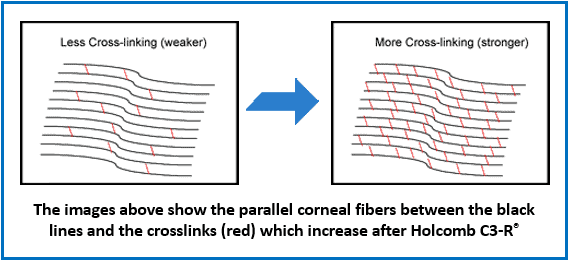
People are truly “wowed” because of the typically painless, 1 day recovery, with a 99.3% success rate, and can prevent cornea transplants. I know it sounds too good to be true. The reality is, well, that is the reality.
The proprietary Cross-linking Solution that I developed is one of several keys to the procedure’s success. Holcomb C3-R® is protected by the United States Patent and Trademark Office.
Here’s my landmark publication about Holcomb C3-R® Cross-linking (if you would like to read it in full, just click on the article below).
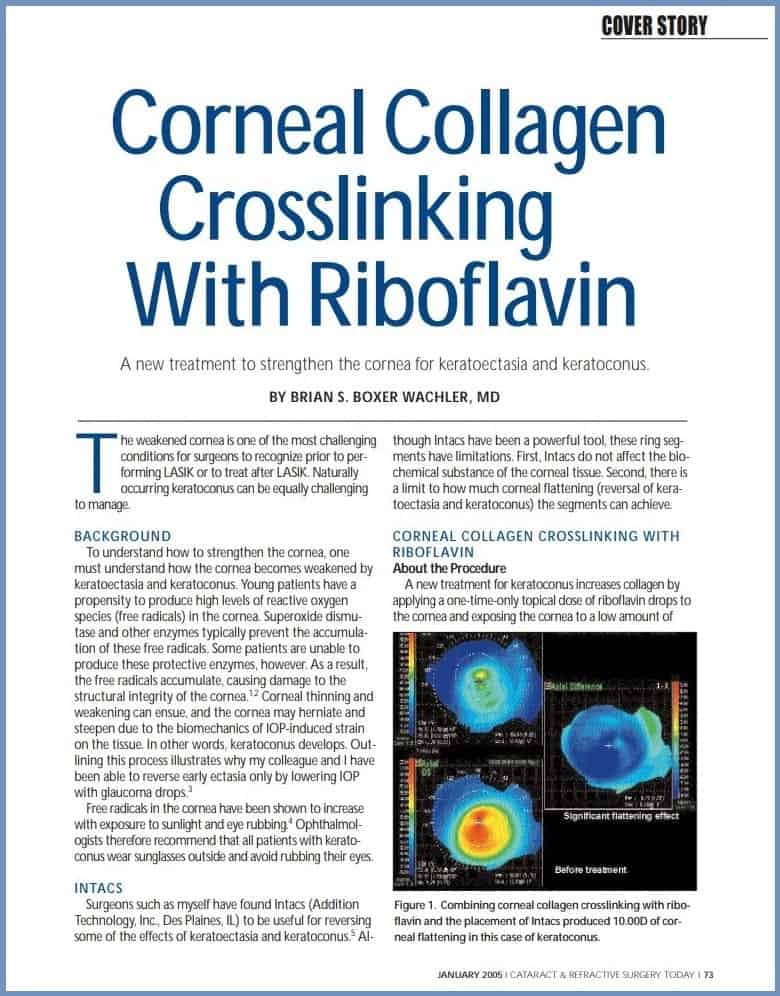
Since the first publication, I have delivered 41 scientific presentations all over the world and published four books about Holcomb C3-R® Cross-linking. I’ve received awards for this pioneering work. But it wasn’t always a “bed of roses.”
When I made my first scientific presentation about my revolutionary Holcomb C3-R® Cross-linking procedure to prevent cornea transplants at a conference to hundreds of eye surgeons, I mistakenly thought I would receive a standing ovation. No, it was just the opposite. Cornea transplant surgeons tried to destroy my reputation and discredit me because my new procedure threatened their invasive, old way of treating Keratoconus with cornea transplants.
It’s a shocking, but true story and even brought me to tears one night. I considered giving up on doing the procedure because of the intense, borderline violent pressure on me from cornea transplant surgeons who desperately wanted to protect “their turf” at any cost. I didn’t give up in the name of helping patients!
If your doctor told you that Holcomb C3-R® is illegal, then you are experiencing firsthand what I did early in my career.
Even today some doctors tell patients this untruth – that Holcomb C3-R® is illegal or doesn’t work. Why? Because it seems those doctors would rather you undergo other procedures with them and “not lose you as a patient”. Those doctors seem to be putting their own economics over YOUR best interests.
Years later I was asked to give a TEDx talk about my struggle, journey and ultimately how I prevailed. If your eye doctor never told you about Holcomb C3-R® Cross-linking or told you something negative about it, there is a very good reason. Now for the first time ever you can find out the shocking reason and…
Watch My TEDx Talk of How I Fought the Medical Establishment to Help People with Keratoconus
If your eye doctor wasn’t supportive of you finding proper treatment for your Keratoconus, then you can relate to my experience of battling other doctors.
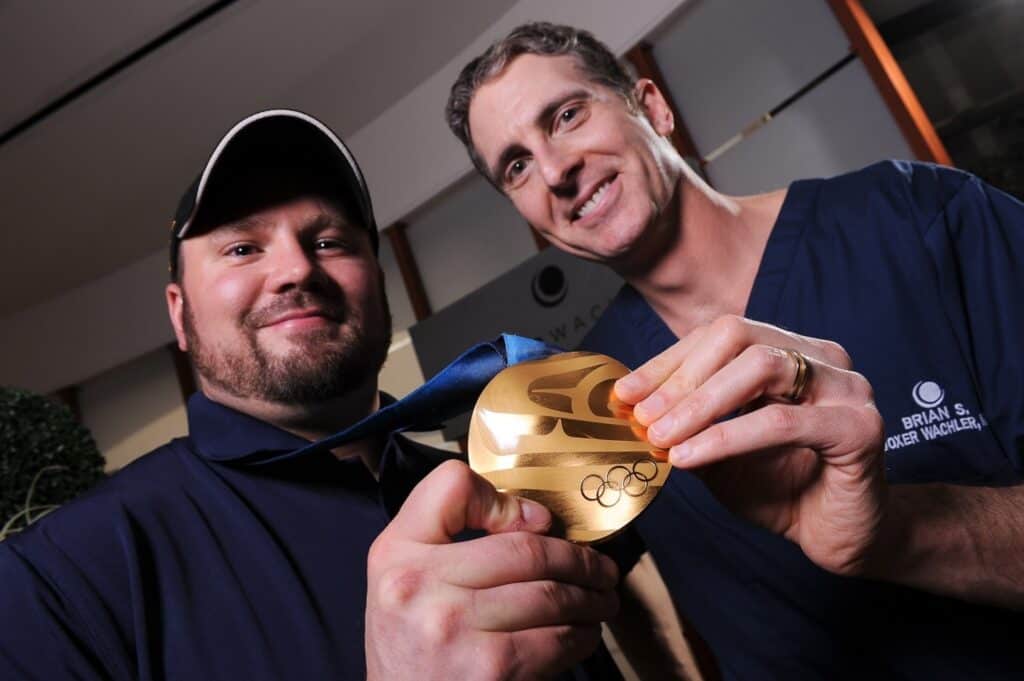
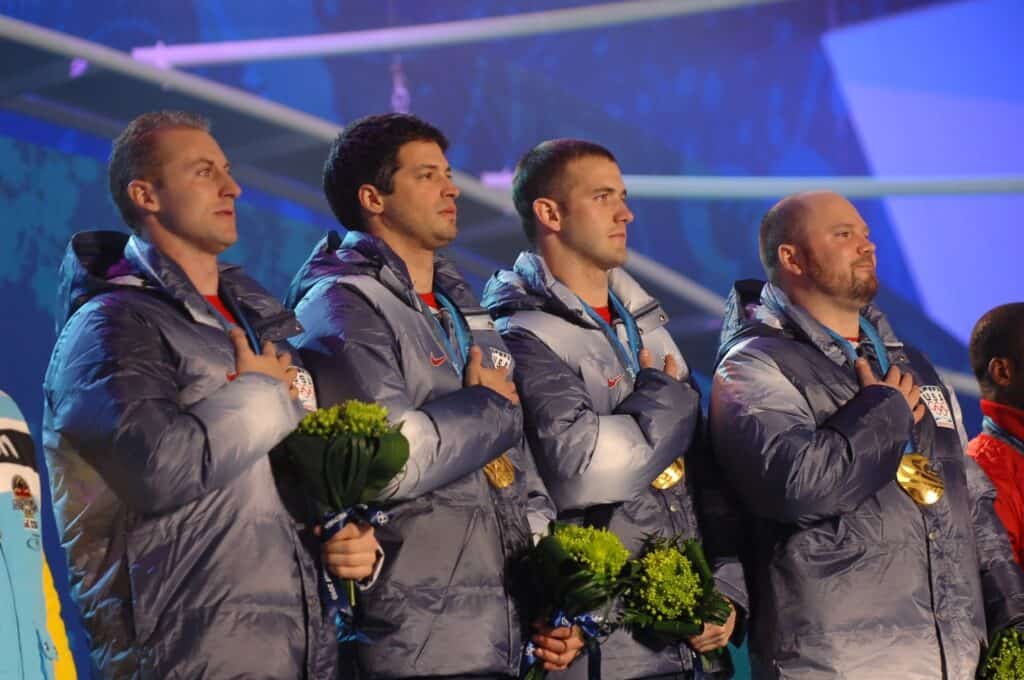
The silver bullet (more like gold bullet) that shot down many of my critics was United States Olympian Steven Holcomb winning Gold in the bobsled at the 2010 Vancouver Olympics. There was a worldwide tsunami of media attention after Steven’s historic win going from legal blindness to Olympic gold medalist and the first Olympic Gold in bobsled for the United States in 62 years!
There was even more media coverage after he won historic double Silver medals at the 2014 Sochi Olympics. Before he won these Olympic medals, he had to give up being a bobsled driver. Steven tells how demoralized and depressed he was after 12 other eye doctor “specialists” told him his only option was a cornea transplant. That’s when his coaches and United States Olympic Team found us.
Click on the videos below to watch Steven’s powerful story of overcoming Keratoconus to win Olympic Gold and the historic naming of the procedure in his honor – the first time a medical procedure was named after an Olympic athlete.
How Olympic Gold and Double Silver Medalist Steven Holcomb Overcame Keratoconus With Epi-On Holcomb C3-R
The procedure now bears his name in honor of what Steven accomplished after overcoming his Keratoconus. Finally, you can overcome your Keratoconus too! Holcomb C3-R® Cross-linking System has been a routine part of our practice since 2003. Holcomb C3-R® is NOT in a study – our patients are not required to have the multiple “back and forth” office visits which can be quite time-consuming and disruptive to one’s school or work schedule.
Some doctors might tell you, “You must remove the epithelium for crosslinking to work.” That is completely false. If it was true, than we would not have a 99.3% success rate, we wouldn’t continue to perform it since 2003, and, lastly Steven Holcomb would not have won Olympic Gold and two Olympic Silver medals. The below photo shows how our proprietary solution penetrates the cornea with epithelium left in place.
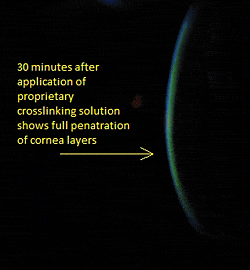
It is not necessary to scrape off your epithelium for cross-linking.
The above videos and media coverage tells part of my story with Steven Holcomb. This is the reason I wrote…
New Book Recently Released
Fight for Sight – The Complete Keratoconus Story
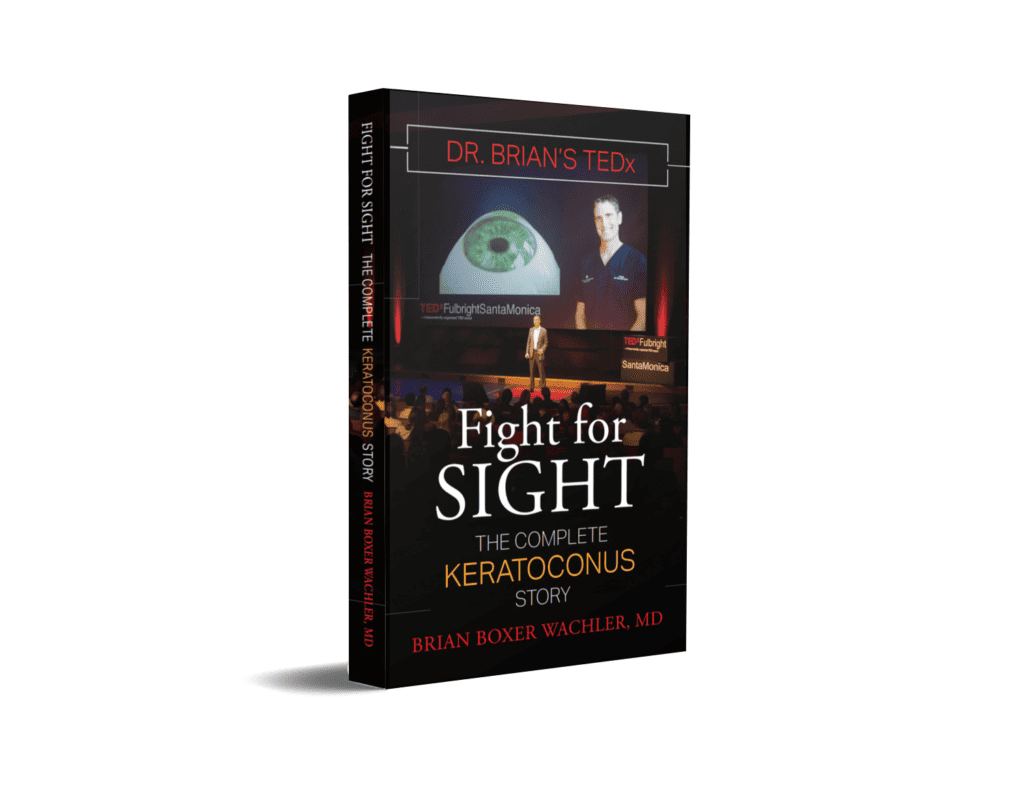
When one gives a TEDx talk, you only have 18 minutes, maximum. There is a lot more to the story in the talk than can be captured in merely 18 minutes. That’s the reason I decided to write this book. My desire was to provide the full story behind my Keratoconus “fight for sight” which was the title of my TEDx talk. Bits and pieces of the story have been told in various places over the years (articles, media, movies, etc.), but this book is where the narrative is flushed out in its entirety.
My story is in fact two stories that ran in parallel. As you will read, Steven Holcomb’s journey unexpectedly intersected with mine. That became an inflection point which would later have significant implications for both our lives and for many other lives outside our own.
You’ll enjoy this and also find inspiration.
For a limited time, you can receive a complimentary copy of my new book, FIGHT FOR SIGHT – THE COMPLETE KERATOCONUS STORY.
To receive your free copy, contact us by phone 310-860-1900, text 424-245-0171, or email info@boxerwachler.com. Be sure to include your name and mailing address with your request for a complimentary copy.
Watch Award-Winning Documentary Film HOLKY about Steven Holcomb’s Amazing Life and Journey
I was fortunate to be a producer alongside Emmy-nominated documentary filmmakers who fell in love with Steven’s story and made this film honoring the greatest U.S. bobsledder of all time as told first-hand through Steven’s most powerful interview ever. HOLKY won many awards at film festivals including London Independent Film Awards, Hollywood International Golden Age Festival, and Palm Springs Shorts. It was a semi-finalist in many festivals around the world. Enjoy!
CXL Cross-linking
What’s ‘CXL’ you ask? CXL is an invasive form of cross-linking (also called “epi off” cross-linking) where the top of your cornea is scraped off with a surgical instrument.
The pain that patients often experience with CXL is caused by scraping off the top of the cornea epithelium which exposes corneal nerves. This increases risk of infection, corneal haze, scarring, loss of vision, and corneal nerve trauma that can require up to 3 months to recover.
As a result, one eye is treated at a time.
Here’s a list of the documented complications of CXL cross-linking:
1) severe pain
2) vision loss
3) corneal infection and ulceration
4) corneal haze
5) delayed epithelial healing
6) worse, more blurry vision
7) cornea nerve damage persists even 5 years after CXL
8) permanent corneal scarring
9) induced visual distortions
10) peripheral flap melting in patients who had previous LASIK and flap dislodgement
11) cornea swelling that never goes away
12) damage to iris causing changein eye color
13) extended light sensitivity
14) cornea perforation (hole was accidentally made through entire thickness of cornea)
90% of patients had problems within the first 3 months as reported in the CXL FDA study. The below chart was taken out of the FDA report on CXL:
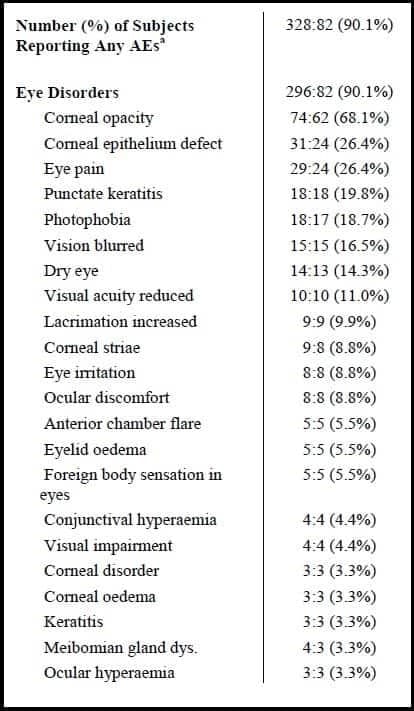
CXL Cross-linking Results
The energy level of this CXL device is set (locked) and cannot be increased by the doctor. We know that energy levels directly correspond to increased amounts of cross-linking.
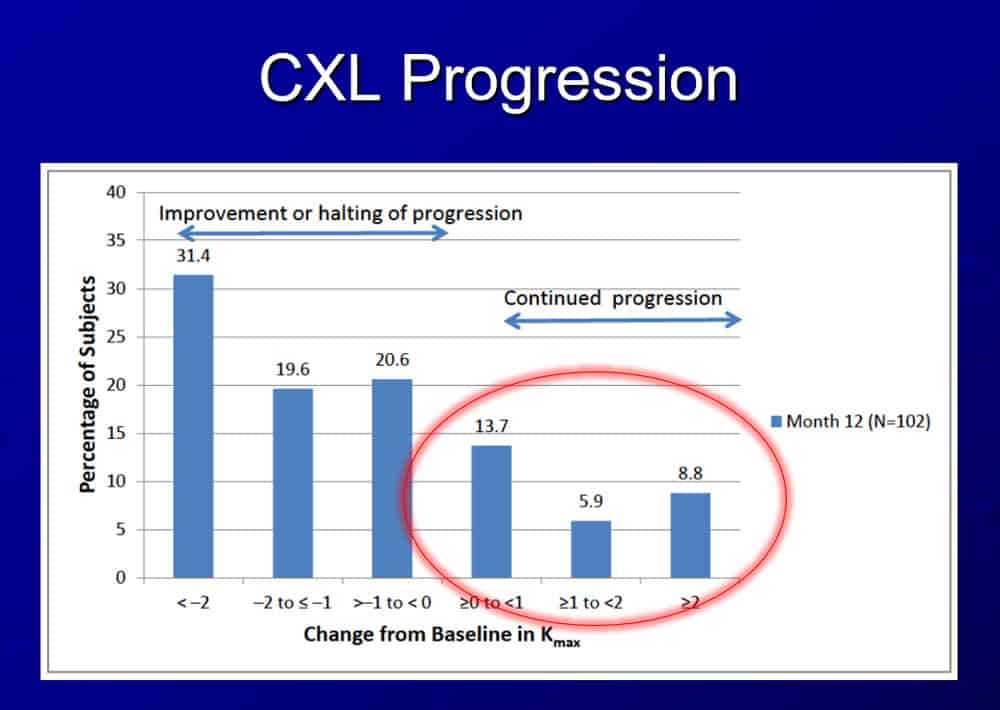
Difference Between FDA-Approved and Off-Label Procedures
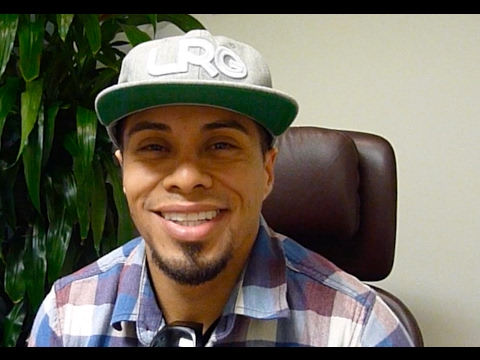
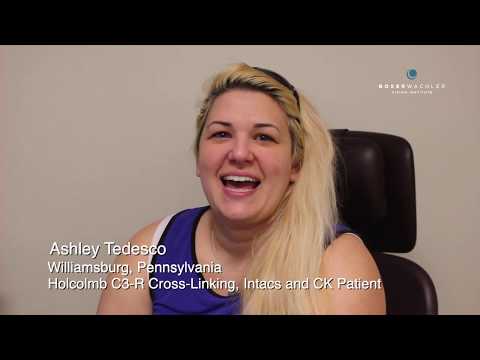
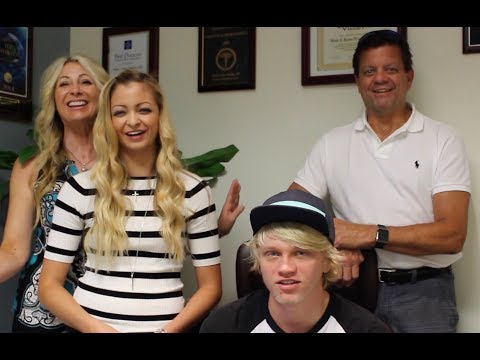
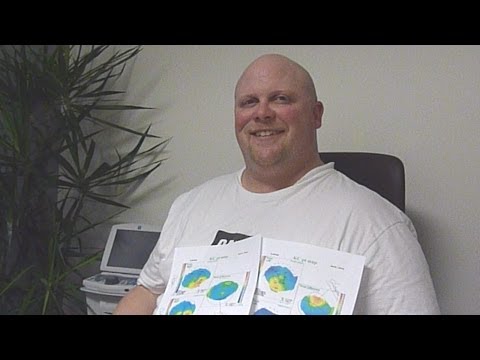
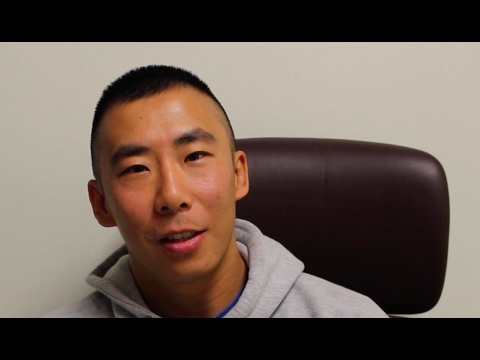
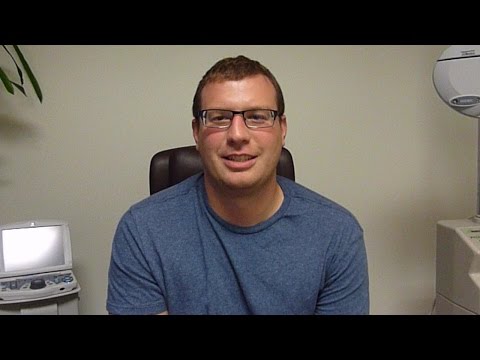
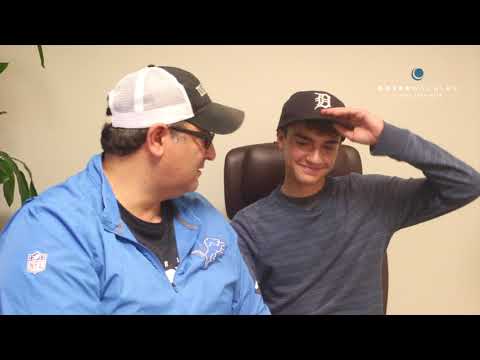
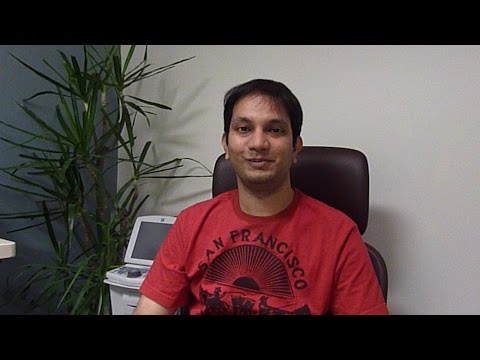
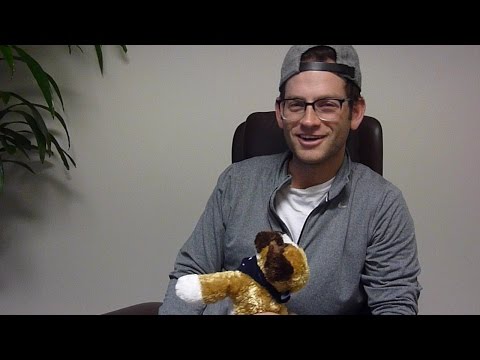
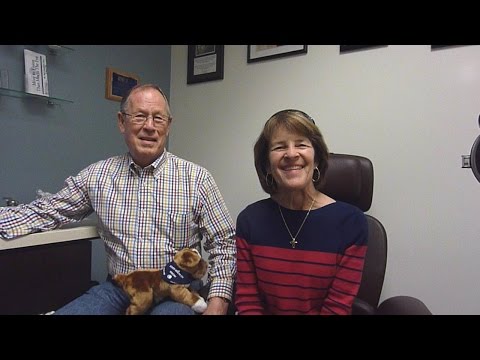
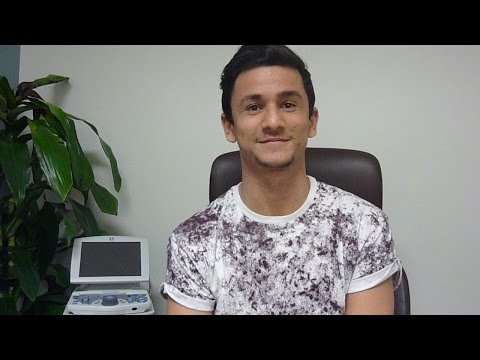
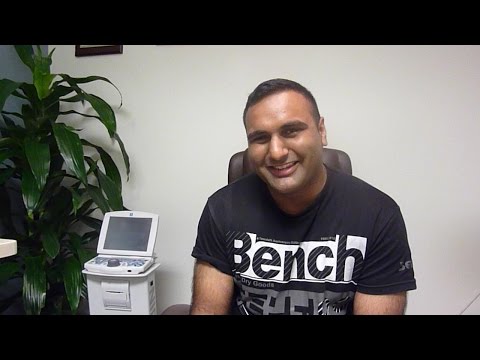
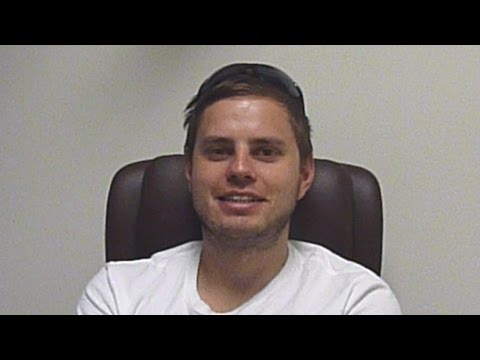
Patients Describe Epi-Off Cross-Linking in One Eye And Holcomb C3-R® in Other Eye
Holcomb C3-R® is the First Customized Cross-linking in the World and the Only Customized Cross-linking in the United States
1) I personally customize the energy level for each eye of each patient. I discovered that different degrees of Keratoconus and patient ages require different amounts of cross-linking. As a result, another proprietary feature of Holcomb C3-R® Cross-linking is that I customize the energy level (amount of cross-linking) for each eye of each patient. I am the only doctor in the world who can do this.
2) Holcomb C3-R® Cross-linking covers the greatest corneal area for cross-linking – the entire cornea. This allows for a complete treatment area of your entire cornea which is important since Keratoconus extends into the periphery of your cornea. We make sure we treat your central cornea areas as well as the far periphery of your corneas with the Holcomb C3-R® Cross-linking System. This is the reason that 99.3% of people are stabilized with just a single treatment with Holcomb C3-R®.
3) Some doctors are now beginning to offer epi-on cross-linking. These treatments do not have the long track of Holcomb C3-R®. Epi-on cross-linking must be done with higher energy levels to produce more cross-linking. Holcomb C3-R® patient customized energy levels are a main reason for our 99.3% success rate.
4) BONUS: Because Holcomb C3-R is epi-on (non-invasive), we treat both eyes at the same time. It’s not necessary to treat one eye at a time because the epithelium is not removed. This is what makes it a 1-day recovery and you can resume virtually all your normal activities the next day without pain.
Some Parents Won’t Allow Their Children to Have Invasive Cross-linking
Typical Results – Keratoconus Treatment Stability
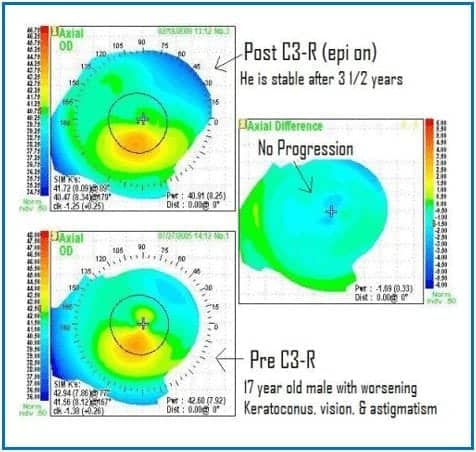
Don’t rely on the one-size-fits-all approach for cross-linking. With the Holcomb C3-R® Cross-linking System you can be confident in receiving the optimized level of cross-linking treatment for each of your eyes. People with very thin corneas cannot be treated with epi-off cross-linking. Even if you have extremely thin corneas, the good news is you can still be treated with Holcomb C3-R® to strengthen your corneas and help prevent you from needing a cornea transplant.
Intacs For Keratoconus
I’ll let you in on my personal philosophy as a Keratoconus expert: I treat all patients with Keratoconus holistically.
I don’t just look to stabilize, but also how to improve their vision and their lives. To take a holistic approach requires mastery of other Keratoconus procedures besides cross-linking.
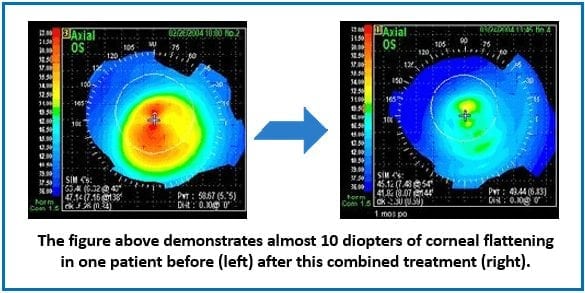
We often combine Holcomb C3-R® Cross-linking System with Intacs® on the SAME DAY to flatten your Keratoconus bulge and IMPROVE YOUR VISION. We routinely perform both procedures on the same day because…
Holcomb C3-R® is non-invasive.
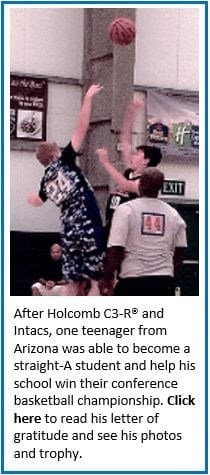
Holcomb C3-R® Cross-linking System can stabilize Keratoconus from getting worse and Intacs® help reverse the effects of Keratoconus and improve your vision. The powerful combination of same-day Intacs® and the Holcomb C3-R® Cross-linking System can give you the ideal results of improved vision and stability.
For high astigmatism, I use CK (not for Calvin Klein, but for Conductive Keratoplasty) which is a 7-minute, painless procedure, I often combine with Holcomb C3-R® and Intacs.
If you’re having vision problems with or without your contact lenses/glasses and your eye doctor didn’t mention Intacs or CK, it should make you question if they are up-to-date on all the modern Keratoconus treatments that exist to improve your Keratoconus and your vision.
It should also make you question if they are treating you holistically.
Over the past two decades of performing Intacs® and CK, I’ve sadly observed many doctors haven’t invested the time to learn Intacs® and CK (because it is time-consuming to master), so they only focus on the “low hanging cross-linking fruit”. In my opinion, this is a disservice to patients who desperately need vision improvement.
If your car needed major repairs, would you take it to a mechanic who only does oil and lube jobs? Of course not. Why would you do that with your precious eyes?
You owe it to yourself and your future livelihood (or your child’s if you’re a parent) to seek out a Keratoconus expert who specializes in ALL the procedures for Keratoconus (Intacs, CK, and EVO Visian ICL) – not just cross-linking – to provide a customized, holistic approach to your Keratoconus.
Holcomb C3-R® Cross-linking Candidacy
Holcomb C3-R® Cross-linking is for just about anyone who has Keratoconus – even those with extremely thin corneas.
People from all over the United States and other countries routinely fly here for the easy 2-day visit. I invented this procedure in 2003 and you can rest assured that coming here puts you in the most experienced hands in the world with non-invasive epi-on cross-linking.
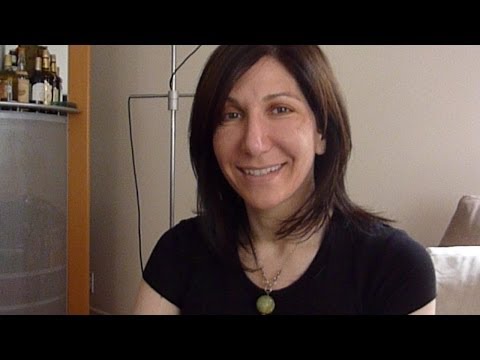
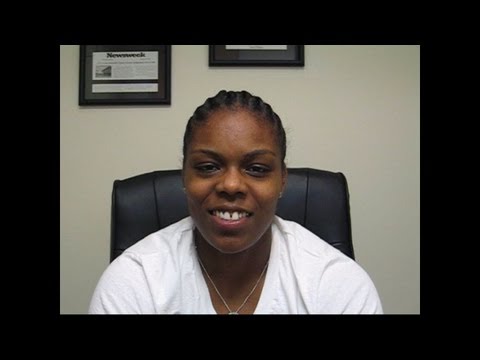
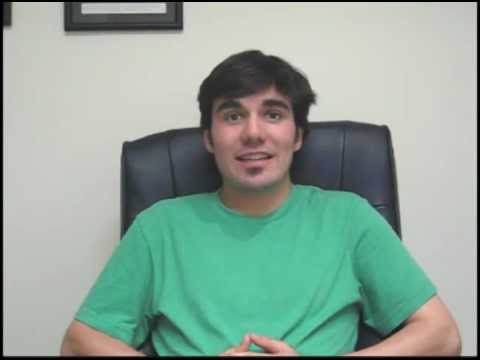
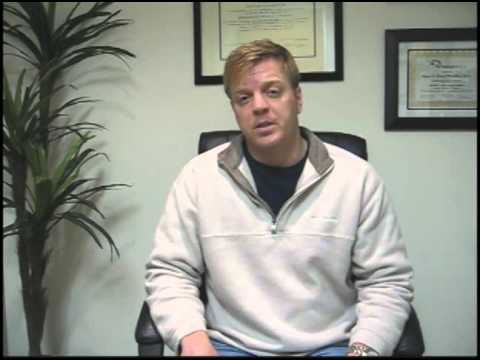
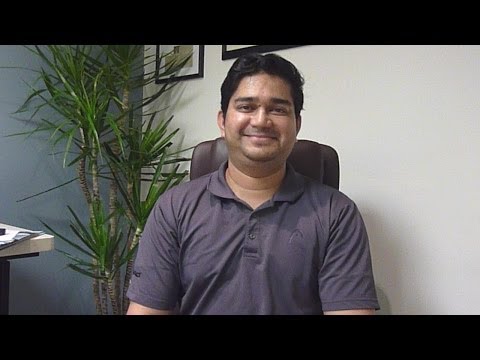
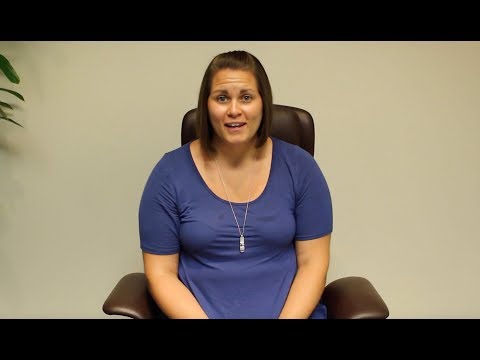
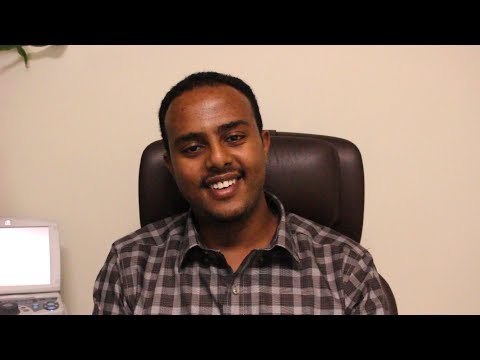
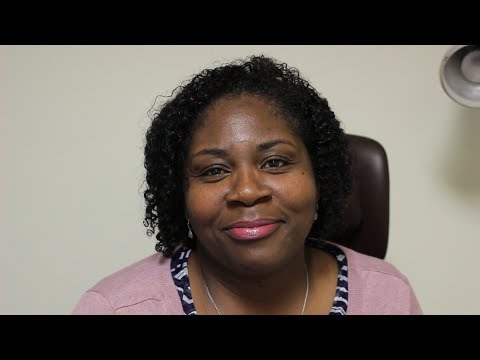
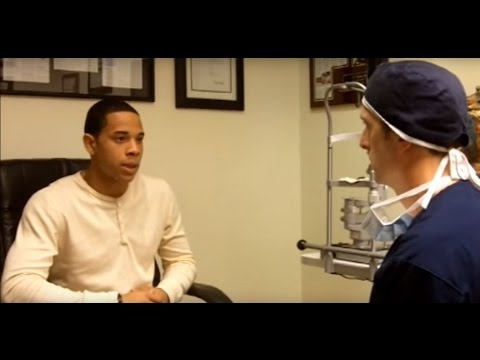
Patients Discuss Holcomb C3-R® Cross-linking
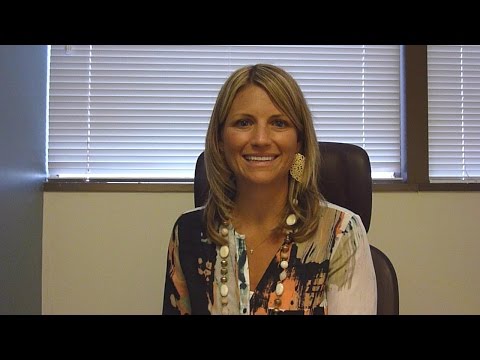
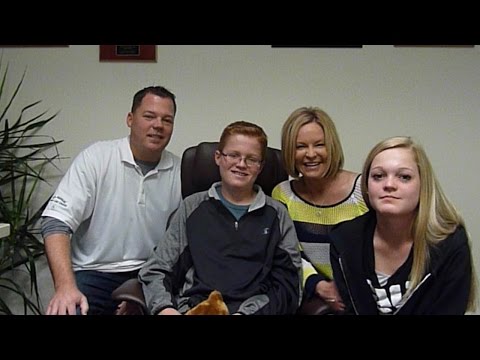



America’s Got Talent Tyce of Duo Transcend After Holcomb C3-R®
Professional Baseball Player Tommy Pham After Holcomb C3-R®
“Why Didn’t My Eye Doctor Ever Tell Me about This Treatment!?”
In my years of experience, it’s typically one of three reasons:
Reason #1 – Your eye doctor is “behind the times.”
If your doctor never heard of Holcomb C3-R®, Intacs®, and CK, then frankly your doctor is likely not keeping up with the Keratoconus field. Even worse is…
Reason #2 – Many cornea transplant surgeons don’t want you to know about Holcomb C3-R® because their income depends on doing cornea transplants (see my TEDx talk). It’s the unfortunate truth.
I hear this ALL THE TIME when talking to people, especially those who flew here from out-of-town for the treatment. As a surgeon who pioneered many procedures over my career, I can tell you what I’ve observed about many other eye doctors. I explained one reason which you learned about in my TEDx talk – how many cornea transplant surgeons wanted to squash Holcomb C3-R® Cross-linking because it threatened their cornea transplant practices. But there’s another reason.
Reason #3 – They don’t want to lose you as a patient.
Your doctor may not tell you about a treatment that he or she doesn’t offer because of fear of losing you as a patient. Call it ego, jealousy, I’m not sure. I’ve consistently seen this behavior regarding other procedures that they don’t do – and I’ve witnessed this pattern with other procedures by different doctors that solve different problems.
It’s sadly so common that it’s got a name: NDH (Not Done Here) Syndrome. That’s not how I practice medicine. For example, if I have a patient with a problem who needs a treatment that I don’t perform, I’m quick to make the referral, because I want to help them. That’s the reason I became a doctor. To me it’s about giving great care to patients, even if someone else is better to deliver that care for that problem.
But the good news for you is that YOU did your research and you are here now and discovered these revolutionary treatments that can improve your vision and save you from needing a cornea transplant, boost your confidence, and dissolve your fear of “going blind.”
 Holcomb C3-R® can treat your Keratoconus and stop it’s worsening as it has for many, many thousands of people who flew here for me and my caring staff to help them. This creates tremendous peace-of-mind for people to know their Keratoconus is stable and won’t likely progress anymore.
Wouldn’t it be wonderful to never stay awake at night stressing about needing a cornea transplant or losing your vision? Thousands and thousands of Keratoconus patients, like you, have already found the solution in a non-invasive Holcomb C3-R® Cross-linking System and our other Keratoconus treatments.
THE HOLCOMB C3-R® CROSS-LINKING SYSTEM IS THE ONLY CROSS-LINKING PROCEDURE WITH AN OLYMPIC GOLD MEDAL BEHIND IT.
Let’s shift this back to you and…
How Can You Have
Holcomb C3-R® Cross-linking?
Holcomb C3-R® Cross-linking is special and proprietary – it is only available at our office in Beverly Hills, California. If you’re like most of our patients, you don’t live in Los Angeles and you probably don’t live in California. Most of our patients fly here from other states and even other countries.
Some of our patients have NEVER been on an airplane before coming here and are really nervous. Other people have super busy schedules. We understand.
Here is a quick fact about our practice: 25-30 good people just like you EVERY MONTH travel to see me to treat them and improve their vision, and prevent them from needing a cornea transplant in the future. They come from all over the United States (West Coast, Midwest, East Coast, and the South) and from other countries such as Canada, Europe, Asia, South America, Africa, and as far away as Australia. Every week, people come. Week after week. Year after year. Now decade after decade.
Why?
TRUST
People TRUST me and my staff. If you think about it, it’s really all about trust. If you don’t have trust, then what else is left?
We deeply appreciate the trust that leads so many people here from all over the world since 1999.
My staff and I don’t take that privilege lightly because people’s futures are in our hands, literally. That is the reason we are SO DETAILED about EVERY step of the way. We understand coming here is a big step for you and we know you might get this question from friends and family….
“Why Would You Fly to Beverly Hills to Have Your Keratoconus Treated?”
Sure, you’ll be able to find someone near you so can try to treat you. Because of reduced insurance reimbursements, many eye surgeons are happily jumping at the chance to do cross-linking procedures (but not Intacs, CK or EVO Visian ICL). This is the reason that 25-30 people every month hop on a plane or drive here for the easy 2-day trip because they want to be treated by me, the doctor who INVENTED these procedures, who has the longest track record in the world.
That’s the reason you should think good and hard about having cross-linking done by a local doctor.
People who want the best possible treatment for their eyes choose to come here. And it’s more affordable than you think (my staff can discuss that with you too).
With Holcomb C3-R® Cross-linking, you can be assured that you are getting “the real thing” that was invented by the authority on modern cross-linking.
It’s understandable that some people who want the best for you may say to you, “Why would you fly out to Beverly Hills?” in an attempt of helping you. Unfortunately, they don’t know the facts of how Keratoconus is affecting or threatening to affect your life. They have no idea what it’s like to ‘walk in your shoes’ because having Keratoconus is like being a stranger in an unfriendly, strange land.
They also don’t know that “all cross-linking is NOT created equal.”
So when people’s friends or family ask them, “Why are you thinking of travelling to Beverly Hills for your procedure?” They typically answer with, “I deserve the BEST and I want to go to the BEST doctor! I want to finally do something for myself.” Simply put, that’s the reason people like yourself come to us from all over the United States and from other countries.
What’s Your Next Step Towards Treating Your Keratoconus and Giving You Explosive Self-Confidence and Peace-of Mind?
If you live out of town, that’s not a problem. I am happy to help by providing a complimentary record review and complimentary Zoom tele-health appointment with me prior to you scheduling an appointment here.
When you contact us, you will receive your own personal Keratoconus Counselor to assist you with this process.
Your Keratoconus Counselor will coordinate a review of your records by me (yes, I will personally review your records, not someone else) and then your Keratoconus Counselor will personally contact you to discuss my preliminary recommendations. Then when you are ready, your Keratoconus Counselor will help you schedule a visit for exam, treatment and follow-up exam all within the same easy 3-day visit. Your Keratoconus Counselor can also help coordinate your local follow up doctor.
 Think of your Keratoconus Counselor as virtually being with you every step of the way, by your side, from your initial contact with the office through return home for your follow up care.
A Keratoconus Records Review is SUPER EASY and fun (yes, even fun – you will soon see that our staff have AMAZING personalities). This is the first step to improving your life. Here’s how to submit your records for me to review:
Records Review Easy Steps (1, 2, 3, 4, 5)
- 1 Request a copyof your most recent eye exam from your eye doctor – be sure they include your manifest refraction (prescription) with best corrected vision.
- 2 Request a copy of your most recent cornea map (topography), if available.
- 3 Write a brief cover letter explaining your current vision and situation.
- 4 Include on the cover letter the best phone number and e-mail to contact you.
- 5 Scan and e-mail to: info@boxerwachler.com
Or Mail To:
Boxer Wachler Vision Institute
ATTN: Records Review
465 N. Roxbury Drive, Suite 902
Beverly Hills, CA 90210
Dr. Brian’s Keratoconus Specialist will contact you to discuss the review.